

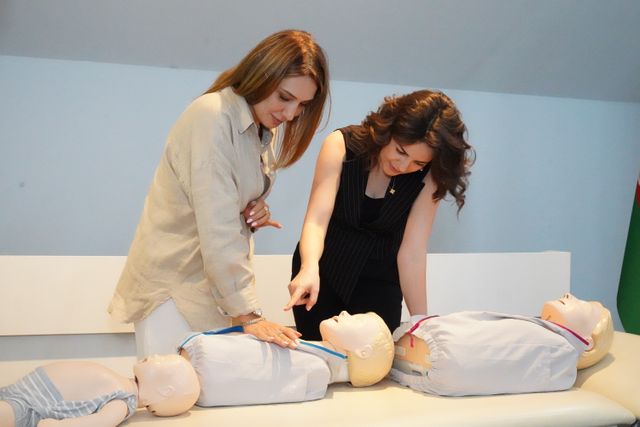
Emergencies can happen at any time in any clinical placement and the response of staff can mean the difference between a positive outcome and a tragic one. Advanced life support courses are available to help healthcare professionals to develop the knowledge and hands-on skills to deal with the cardiac arrest and respiratory failure and other critical events. This type of training is something that every nurse, doctor, paramedic and allied health professional should be equipped with as a core component of their safe and confident working practices, especially in a high stakes setting such as the medical field, where seconds count the most.
Types of Advanced Life Support Courses
The advanced training of life support is typically divided into multiple levels depending on the clinical experience. At the entry-level ALS1 courses are designed to teach basic resuscitation skills, such as airway management and the recognition of early patient deterioration. ALS2 courses follow this and include more complex material including ECG interpretation, defibrillation and the pharmacology used during cardiac arrest. Paediatric Advanced Life Support (PALS) is a course designed to deal with the special issues surrounding resuscitation of infants and children, which necessitate procedures and dosage that are different from those used for adults. There are also recertification courses that are available and let those who have already completed training courses to maintain their qualifications and keep up to date on changes to guidelines. The course to take is dependent on the clinician’s role, training and expectations at their place of employment.
How These Courses Are Structured and Delivered
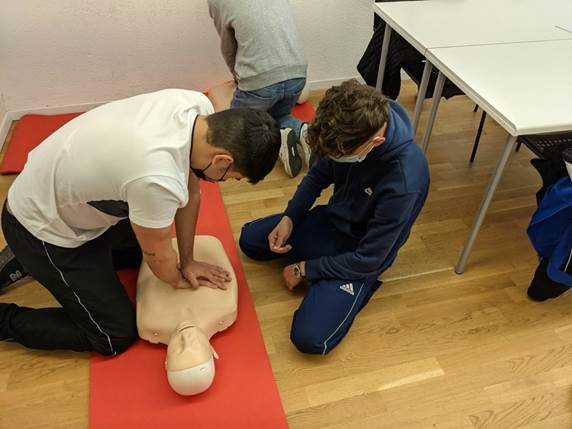
Most resuscitation courses involve a large amount of practical simulation and theory, so that the student doesn’t just learn about resuscitation but can perform it in the event of a crisis. Sessions usually start with sessions on assessment frameworks, medication use and resuscitation algorithms followed by scenarios using manikins and clinical equipment. Many are now using state-of-the-art simulation technology, enabling candidates to rehearse real-time decision making, airway management and defibrillation in a scenario that is as realistic as possible in the event of a real emergency. Courses are typically offered intensively in a 1 or 2 day period and are limited to small groups to enable the instructors to give direct, individualised feedback during the course. Theory and repeated hands on practice is the key to making the skills stick, not merely soon after the course concludes.
Benefits of Ongoing Training and Recertification
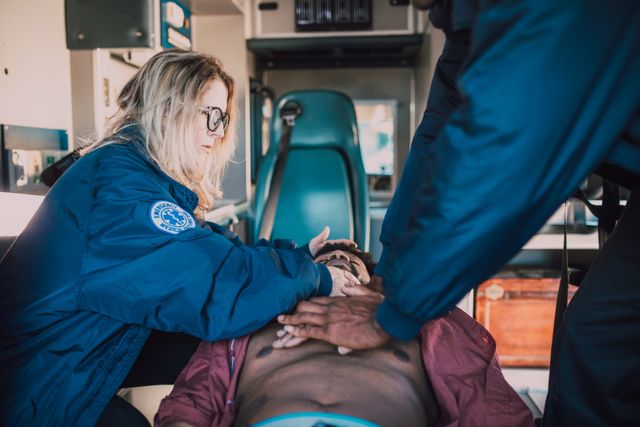
advanced life support courses brisbane have much more than a place of value in the workplace. Practice makes perfect, and the practice helps develop muscle memory that enables the clinician to respond fast and decisively in an emergency, rather than freeze up. Keeping up to date with training also means that practitioners are kept up to date with the evolving ANZCOR/ILCOR resuscitation guidelines, which are reviewed and updated with new clinical evidence. Many health professionals also are required to be certified for their continued employment, which means regular recertification is a professional and practical imperative. Well trained teams also work better as a group during emergencies, as coordinated resuscitation requires all team members to know what they are supposed to do. This is especially significant in large facilities where various teams and departments might need to collaborate on a quick call. The study of advanced life support certifications ultimately benefits the patient and the individual’s self-confidence.