

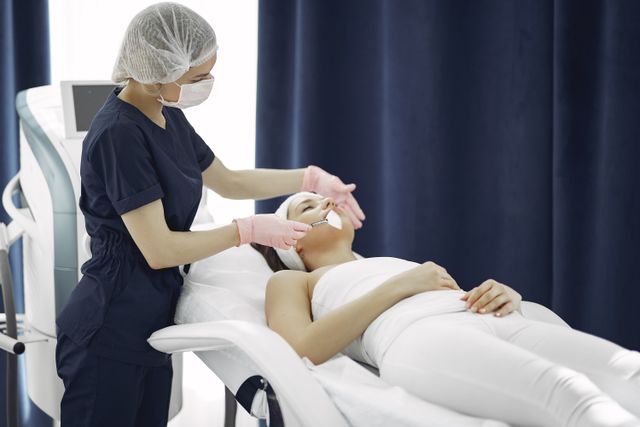
Many people considering laser hair removal concentrate on the results, in terms of how much hair will be eliminated, and how fast. Preparation gets less attention, but it is where much of the outcome is determined. Pre-treatment clinical assessments include hair colour, hair density, skin tone, medical history, and past cosmetic procedures. Dark-haired individuals with lighter skin always get the best results, because the melanin in the follicle absorbs more laser energy than the surrounding skin tissue. The less contrast there is, the harder the technology has to work. The less.
What You Do in The Weeks Before Treatment Matters?
Higher epidermal melanin levels due to increased sun exposure in the weeks prior to treatment increase the likelihood of pigmentation changes during the session. Patients are usually recommended to avoid tanning for several weeks before. Because the follicle must be present for the laser to target, waxing, plucking, and threading in the lead-up are also discouraged. Sydney laser hair removal clinics recommend shaving 24 to 48 hours prior to treatment. In addition to providing a more accurate diagnosis of skin type, providers of laser hair removal in Sydney and across Australia are increasingly using skin analysis technology to determine the right wavelength and energy settings to use for each patient during their pre-treatment consultation.
What they do not realise going in, however, is that personalisation matters more than most patients realise. The consultation is not a formality preceding the real treatment. It is where the clinical decisions that determine the outcome are made. A patient who is tanned, who has recently waxed, and who has not revealed relevant medical history or medications, is not only being a nuisance for the practitioner. They are reducing the effectiveness and safety of a procedure they are paying for. The preparation is the treatment. The evidence repeatedly demonstrates that outcomes are enhanced when patients adhere to pre-session protocols rather than treating them as optional.
What Does the Procedure Actually Involve?
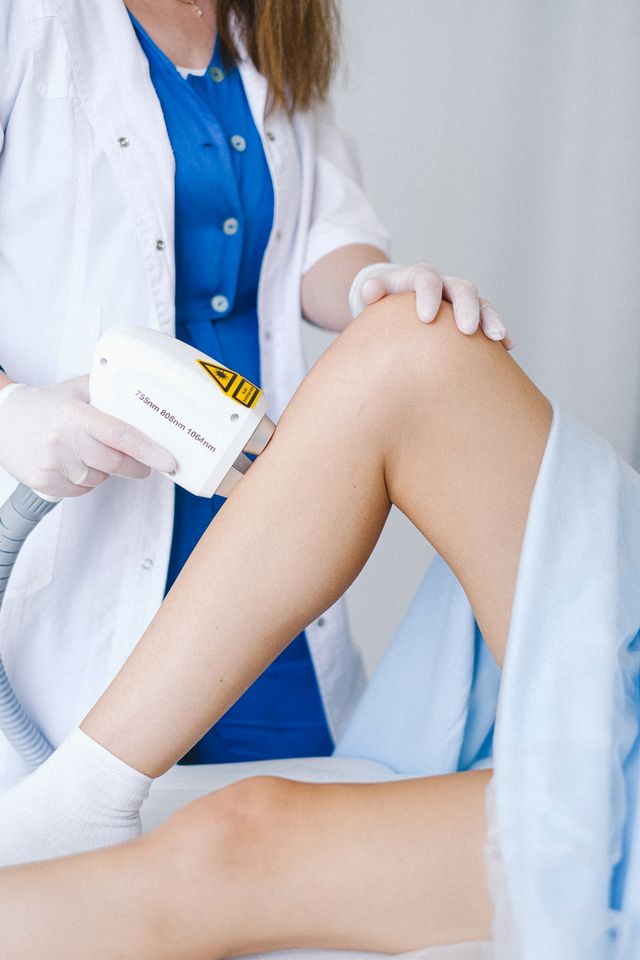
High-intensity light energy is applied to actively growing hair follicles, where the pigment in the follicle absorbs the energy, heats up, and destroys the structures that will produce new hair. Since hair grows in cycles, only follicles in the anagen (active growth) phase respond to any given session. This is the main reason that multiple treatments are needed and cannot be avoided. Session time ranges widely: 15 minutes for small areas such as the upper lip. Over an hour for large areas such as the legs or back.
The sensation is often likened to that of a rubber band snapping against the skin. It is brief and repeated rather than continuous. That description is helpful because it sets realistic expectations. Realistic expectations matter in a procedure where fear of pain can cause some patients to tense up or move in ways that compromise the accuracy of treatment. While the built-in cooling has significantly minimised discomfort compared to earlier generations of lasers, the experience still differs between body areas. It differs from person to person based on skin sensitivity. It can even differ from treatment to treatment.
The Results and What Long-Term Actually Means
Reduction, not elimination, is the key framing for laser hair removal outcomes. Recent clinical results have reported average hair reduction levels of about 75% at six months post-treatment. The remaining hair is often finer, lighter, and slower growing. This is a noticeable improvement in daily maintenance, even if some hair remains. Marketing often suggests complete removal. The clinical evidence does not reflect this as the standard outcome. What is achievable is a clinically significant reduction, maintained over time, with periodic maintenance sessions to address new follicles that have been activated.
Side Effects and What the Risk Data Actually Shows
Redness, mild swelling, and temporary skin sensitivity are the most common immediate reactions following laser hair removal. They are considered normal responses to controlled follicle damage, not a problem. Although more serious complications are uncommon, they have been documented. The risk of pigmentation changes is one of the most commonly reported side effects. The risk is directly dependent on the technology choice. Rates of pigment alteration approaching 19% with some shorter-wavelength laser systems on darker skin types compared with 2% to 3% when longer-wavelength technologies are properly matched to the patient.
That gap (19% minus 2%) is not an insignificant margin. It is the distinction between a technology that may or may not be appropriate for a patient, given the same treatment category. The literature also reports rare complications such as blistering, crusting, burns, and paradoxical hair growth stimulation. These risks do not make laser hair removal a procedure to be avoided. They indicate the importance of practitioner expertise, correct device selection, and accurate patient assessment as the determinants that distinguish a good outcome from a damaging one. When those conditions are met, the procedure is safe.