

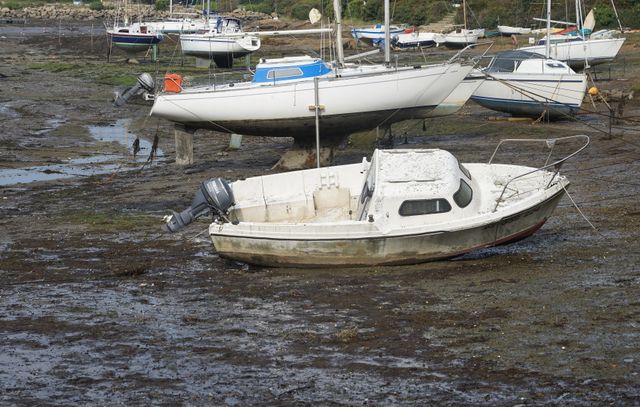
A boat hauled out at Sandringham at the end of April, you can practically read its whole history in the wear on its gelcoat. Every single season of battering from the sun, salt spray, and knocks on the ramp, plus any maintenance that was, shall we say, put off till next season, all of it is etched into the surface in layers. Some boat owners can see the story there in a flash; most of us just look the other way and say to ourselves, “this can wait”. But the ones who put it off only end up with a repair job on the outside, or worse still, a major bill for a replacement laminate and a very awkward conversation about just how long the damage had been hiding in plain sight.
Why Gelcoat Damage Is Always Underestimated?
When your gelcoat starts showing signs of failure, it’s usually not exactly a dramatic affair. The outer layer is a fundamental part of the boat’s structure, not just some sort of coating slapped on top, so when it starts to crack, the warning signs are easy to brush off as minor cosmetic issues. But that’s the very moment when all the costs start to add up. It is precisely why getting timely gelcoat repairs Sandringham matters more than most boat owners realise.
A hairline crack that could easily be mistaken for a surface scratch tells you there’s actually a bit of a problem in the laminate beneath; the stress is building up and it’s only a matter of time before something gives. And blistering that just looks like a bit of paint damage? That’s actually a sign that water has already got into the fibreglass itself. And let me tell you, the gap between cosmetic damage and something far more serious is smaller than most of us think, and gets shorter all the time if you leave the problem unattended and let another season go by.
Why Sandringham’s Conditions Are A Bit Unusual?
Port Phillip Bay’s got a pretty consistent wind driven spray heading straight into any boat that happens to be moored or launched at Sandringham. As a result, the prevailing conditions all converge on the same few spots: the front end, where the spray really hits hardest; the waterline band, where that saltwater does its worst; and the spots where the boat gets mashed against the trailer and cradle contacts. Vessels that get stored under cover are faring slightly better overall, but they still get smashed each time they get launched or taken out. And when they do, the result is always a bit of a surface check and some damage from that constant compression. At the waterline, meanwhile, the boats on finger berths are just sitting ducks for salt and growth, and the gelcoat in that band always seems to go a bit downhill first. According to Safe Transport Victoria’s 2023-24 data, a whopping 85% of all marine incidents that year were a direct result of maintenance related failures, which is to say, of people neglecting to look after their hull surfaces.
What Goes Wrong When You Try To DIY A Gelcoat Repair?
Now, there’s plenty of gelcoat repair products out there that you can grab from the chandlery and try to use at home. But let me tell you, most of them just don’t last the season. And it’s not always the product itself that’s the problem, it’s the way you use it. Try slapping filler over a bit of moisture that’s still lurking in there and the result will be a nasty case of reblistering. Or try sanding too aggressively and you’ll be stripping the whole gelcoat layer in no time, good luck trying to fix that. And then there’s the matter of matching the colour, if you just eyeball it and then try to do a quick fix with some automotive paint, it’ll look like a dog’s breakfast and you’ll end up with a nasty visible line that catches the light all wrong. And as for those products that wash right off in the saltwater… yeah, that’s just a waste of time. Gelcoat is not the same as automotive paint, it needs a completely different set of chemicals and a different process, and it won’t last for long if you try to use the wrong stuff.
Insured Repairs and The Importance Of Documentation
Bayside yachts incur a higher frequency of insurance-related incidents than owners tend to expect for their upkeep schedule. Ramp collision, mooring collision, and underwater hazards tend to be common causes of damage to the hull of Port Phillip Bay.
The vast majority of marine insurers will require the documentation of photos and a report by an assessor as to the extent of the repairs to be done. It helps if the repairer has good contacts with the big marine insurers. In addition, a professional assessment helps to separate the damage caused by an incident from prior deterioration since there are cases where the hull has been gradually deteriorating for one season and gets an identifiable impact.
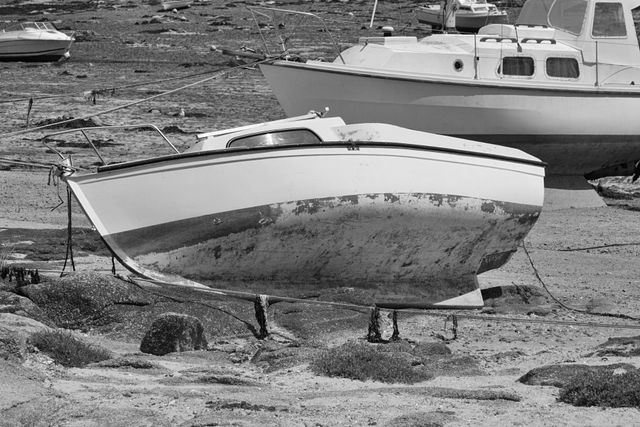
The Standard for A Correct Repair
Moisture testing of the laminate before repair, mechanical removal of damaged areas to expose dry substrate, catalysed gelcoat application in the right mix ratio, and wet sanding up to compound polish finish. A correct repair is one that is invisible under normal lighting and blends seamlessly with the surface.
For Sandringham boat owners, the end-of-season haul-out is the time to read your hull with honesty, not optimism.