

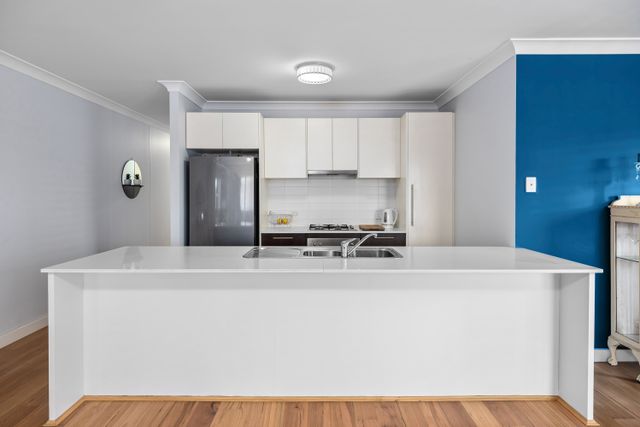
A small chip in a kitchen benchtop might be easy to miss because it usually doesn’t impede the surface from functioning. But once you see it, the damage just appears to leap out at you whenever light strikes the edge. Chips can feel rough under a cloth and collect debris where the surface used to be smooth. Often it is easier to deal with the defect early than to wait until it has been enlarged by repeated blows.
The first step is to stop treating all damaged surfaces alike. Engineered stone, natural stone, laminate, porcelain and other benchtop materials vary in colour structure, edge behaviour and repair options. Photograph the damage in natural light and also take a wider shot showing its location. A chip on a front edge may call for a different aesthetic than one hidden next to a washbasin or appliance.
Surface Identification Prior to Touch Damage
The benchtop chip repair professional can work on the benchtop to stabilise and conceal the damaged area, without disturbing the surrounding finish. Clean the surface gently before starting work, do not put household glue, putty, paint or marker in the chip. Improvised products can also stain the area, cause a raised patch or make colour matching more difficult than the original defect.
Light has a surprisingly powerful effect on how visible a repair should be. The glossy dark surface under pendant lights reflects differently than a pale matte bench next to a window. When taking photos, shoot the chip from several angles and include the pattern or veining nearby. This helps to show if the repair has to be unified in colour or be part of a more complex design.
Repair to Match Light and Pattern
Consider the chip’s source. If you drop a heavy pan near a corner or if a hard object strikes a corner or if a corner is repeatedly bumped against a stool or appliance, you may have a localised problem that will recur. If the source is obvious change the setup after repair. A frequently used appliance can be moved a few centimetres, or a protective pad can be added, to protect the restored area from another impact.
After work use suitable cleaning products for the benchtop material and avoid scraping aggressively around the repair spot. Daily maintenance is not about repair. It is about restoring the surface back to normal use. If the tradesperson gives you specific instructions for curing or care, follow them rather than assuming the area is immediately able to withstand heat, water or heavy cleaning.
Stop the Same Impact From Happening Again
The easiest way to deal with small damage is to document it, assess it for the right material and leave it unfilled by DIY fillers before repair. A large surface even with a small defect can be a problem. So, it is best to pay attention early to maintain the visual continuity. More importantly, understanding why the chip happened can prevent the same common habit from making a second mark along with the first.