

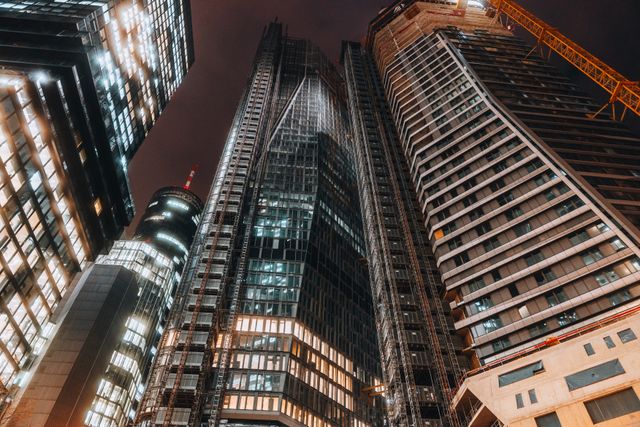
The office tower you walk into each morning is probably doing a lot more than you realise. Sensors are measuring how many people are in each room. The air-conditioning is adjusting itself based on occupancy and weather forecasts. Lights dim when nobody is around. Lifts are anticipating traffic and dispatching cars before you even reach the lobby. In many modern buildings, the walls, floors and ceilings are quietly packed with technology.
Smart buildings are transforming how we live and work, improving comfort, safety and energy efficiency. Systems that were once separate are increasingly connected and managed together. If you are curious about how far this has come, it is worth taking a moment to explore the technology behind modern lifts, one of the most visible examples of buildings becoming more intelligent.
What makes a building smart?
A smart building uses connected technology to monitor and control its systems automatically. Sensors collect data about temperature, lighting, occupancy, energy use, air quality and equipment performance. Software analyses that data and adjusts systems to improve efficiency and comfort.
The goal is a building that responds to the needs of the people inside it while reducing waste.
Heating, cooling and air quality
Heating, ventilation and air-conditioning systems account for a large share of energy use in many buildings. Smart controls adjust temperature based on occupancy, time of day and weather conditions.
Air quality sensors can monitor carbon dioxide levels, humidity and pollutants, increasing ventilation when needed. Better air quality supports comfort, health and productivity.
Lighting that responds
Smart lighting systems use motion and daylight sensors to switch lights on and off or adjust brightness automatically. When natural light is strong, artificial lights dim. When rooms are empty, lights turn off.
These systems reduce energy use and can be programmed to support different activities and moods.
Vertical transport
Lifts are the arteries of tall buildings, moving people and goods between floors. Modern lifts use sophisticated control systems to manage traffic efficiently.
Destination dispatch systems, for example, ask passengers to select their floor before entering. The system groups people travelling to similar floors, reducing stops and waiting times. Energy-efficient drives and regenerative braking can capture energy during operation.
Remote monitoring allows technicians to track lift performance and identify issues before they cause breakdowns.
Security and access
Smart buildings often use integrated access control systems. Employees might use cards, mobile phones or biometrics to enter the building, access specific floors and book rooms.
Security cameras, alarms and access logs can be monitored centrally, improving safety and simplifying management.
Energy management
Building management systems bring together data from across the building, helping managers identify inefficiencies and reduce energy use. Rooftop solar panels, battery storage and electric vehicle charging stations are increasingly common.
Real-time energy monitoring can show where energy is being used and highlight opportunities to save.
Maintenance gets predictive
Traditionally, maintenance was either scheduled at fixed intervals or carried out after something broke. Smart buildings enable predictive maintenance, using data to identify equipment that is showing signs of wear.
Addressing problems early reduces downtime, extends equipment life and lowers repair costs.
The occupant experience
Smart technology can make buildings more pleasant to use. Apps may allow occupants to book desks, adjust lighting and temperature, report maintenance issues or find colleagues.
In residential buildings, smart features can include keyless entry, parcel lockers, energy monitoring and connected appliances.
Challenges to consider
Smart buildings bring challenges too. Cybersecurity is a growing concern, as connected systems can be vulnerable to attack. Integrating technologies from different suppliers can be complex. Privacy considerations arise when collecting data about occupants.
Careful planning, strong security practices and transparent data policies are essential.
What this means for building owners
For owners and managers of existing buildings, the move towards smarter technology does not have to mean a complete overhaul. Many improvements can be made gradually. Upgrading lighting controls, adding sensors to monitor energy use, modernising lift control systems or installing a building management platform can each deliver benefits on their own. Prioritising upgrades based on energy savings, tenant comfort and the age of existing equipment helps spread costs over time. Well-planned improvements can also make a building more attractive to tenants and buyers, supporting its long-term value.

Buildings that think ahead
As technology continues to advance, buildings will become even more responsive and efficient. From the plant room in the basement to the solar panels on the roof, smart systems are helping buildings use less energy, run more reliably and better serve the people inside them.