

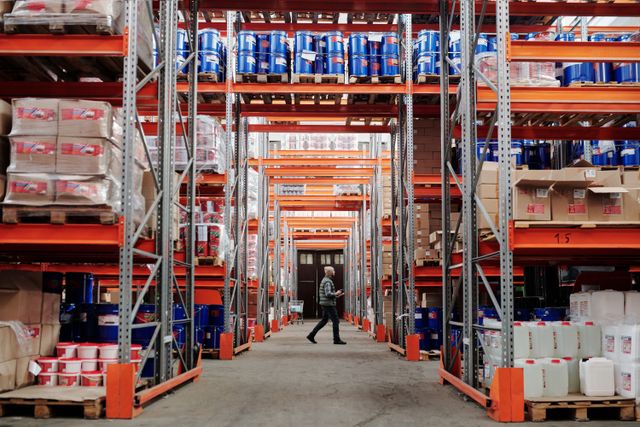
At the end of June 2026, Australia had 2,814,778 active businesses, an increase of 3.1% on the year before, according to data from the Australian Bureau of Statistics. Growth means orders, staffing and customers. For physical product businesses, it also means boxes, and sooner or later those boxes will start competing for space. The question is not if that time comes, but whether it can be anticipated well enough to deal with it in an orderly way.
Warning Signs Of The Approaching Crunch
The space problem does not usually come as one big announcement. Pallets start filling the corridors, people have to move boxes to reach the bathroom, and picking an order now takes longer than it did last year. At peak times, deliveries get missed, and somebody finds themselves counting stock manually on a Sunday. Taken separately, each sign may look insignificant. Together, they indicate a business that pays for a lack of space in terms of wasted time, unnecessary mistakes and tired employees. Not all growing businesses face this situation, as some deal in services or order straight from manufacturers. Those who keep inventory will benefit from spotting this pattern early and considering warehousing solutions for growing businesses.
Putting A Figure On The Price Of Compromise
Many owners hesitate to make the storage decision because rental costs are easy to see, while the cost of being squeezed for space is invisible. It is not invisible. Lost staff time looking for stock, damaged goods due to tight shelves and delayed deliveries during peak times are costly, even if there is no invoice. A simple exercise can help: estimate the number of working hours spent weekly moving boxes that do not have to be moved and multiply this figure by the hourly rate. Add to that the cost of returns due to picking mistakes.
Overflow Or Home For Good
Not all storage issues require a long-term solution. Temporary space will suit peaks in seasonal sales, a bulk purchase that will never be repeated, or an uncertain product launch. Long-term solutions will be more relevant once the volumes become predictable each month. The cash flow issue usually decides this question. Flexible payment, dependent on the amount of actual storage space, carries less risk than a lease contract made based on forecasts for next year.
Getting Stock Records Right Changes The Daily Grind
Extra space is just a bigger headache without good records. Labels on shelves, regular stock counts and being able to see what’s actually in there right now means less guesswork and more certainty. Fewer items get lost, and orders leave with the right goods in the box, which keeps customers happy and coming back. Sales staff can give delivery dates with confidence because the numbers match what’s actually on the shelves. Re-order decisions are clearer too, since you can see which items fly out the door in no time and which ones just sit there.
Being In The Right Place Is Often Cheaper Than It Seems
A cheap warehouse miles from your customers might end up costing more than one that’s a bit pricier and nearby. Every delivery has to carry the extra distance, after all. Being close to ports, big roads and main customer bases gets orders to customers faster and cheaper. Space in the city centre is usually a recipe for fast deliveries and high rent, while space a bit further out brings the opposite. Some businesses end up splitting stock between two cities to serve the east and west coasts from different sites. That’s a complicated move, so it only really works when order volumes are big and predictable.
Questions To Sort Out Before You Sign Anything
That first visit to a facility is the time to ask some tough questions, before any contract is signed:
- How do you keep the place secure, and how do you keep an eye on things?
- Who’s liable if something gets damaged or goes missing, and what kind of insurance covers your stock?
- Can they handle all sorts of tricky items like bulky or fragile things?
- What hours are you open for business, and when’s the last time you can get goods out the door?
- How hard is it to scale back or bail out if things change?
The way they answer these questions shows you how they’ll behave if something goes wrong, which is far more important than how nice the building looks on a good day.
Storage And Transport Work Best Together
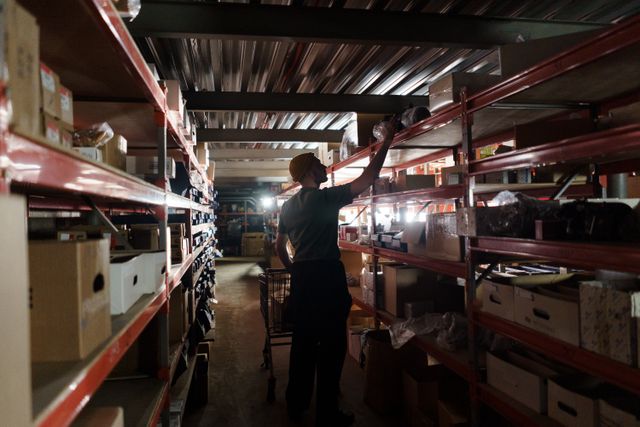
Stock just sitting in one place, then getting moved through another company’s hands adds a load of extra work to every order. When storage and transport are all part of the same plan, goods just move smoothly from suppliers to shelves to customers. Fewer handovers, fewer chances for anything to go wrong. Small businesses especially benefit from this because they don’t have time to chase up multiple suppliers across a busy week. Growth should be exciting, not stressful, and sorting out space before it becomes a problem is a simple way to keep it that way.