

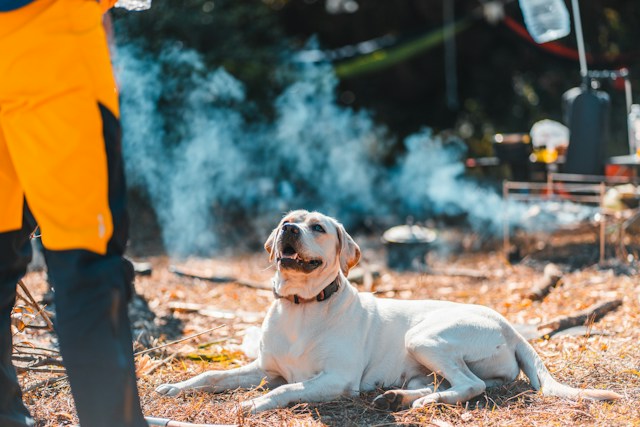
The Perth Hills provide room, tall trees, serene nights and beautiful scenery. In addition, many of these places are surrounded by bushland and few exit roads. Bushfire season is something that many people are accustomed to in the Roleystone area, and most families are well prepared for any potential fire protection needs.
Animal Emergency Plan of Western Australia
Western Australia has an animal welfare plan during emergencies called the State Support Plan. This plan is organised by the Department of Primary Industries and Regional Development. It may be implemented in case local governments require additional assistance. This plan is focused on animals such as livestock, horses, household pets, such as those a Roleystone vet sees, and wildlife in case of bushfire, storm, flood and heatwave emergencies.
The recently conducted exercise involved testing of the State Support Plan through the catastrophic bushfire simulation exercise in the Perth Hills. This particular disaster affected livestock properties located in outer areas of cities, wildlife sanctuaries and national parks. The scale of this exercise exceeded the capabilities of local authorities.
Moving Your Animals Before a Bushfire Threatens
Fire authorities advise you to get your pets out of harm’s way long before a bushfire looms on the horizon. The Department of Fire and Emergency Services reckon that getting your animals to a safer spot before they’re in the direct path of the fire is your best bet. You can consider keeping them with some relatives or friends, getting them into boarding facilities, or taking them to one of the temporary animal shelters and evacuation centres that will take pets in. If you don’t have anywhere to go, then at the very least pop down to your local council’s evacuation location to get some information.
Having a place lined up in advance is really important; boarding facilities can get full pretty fast in emergencies, and not every evacuation centre will let you bring your pets in. And believe me, trying to sort something out when the smoke is already rolling in is a whole lot harder than doing it before the fire hits.
What to Pack Up for Your Pets?
- A couple of days’ worth of non-perishable pet food and a couple of suitable food and water bowls.
- A lead, muzzle, pet carrier or box in case things get a bit hairy and your animal starts to panic.
- Any essential medications, along with your vet’s contact information and your animal’s medical records.
- Litter, some old newspapers, and any special gear they might need.
- A microchip or ID tag, accompanied by a recent photo in case you do lose track of them.
Microchipping’s a legal requirement out here in Western Australia. You’ve got to get your dog microchipped by the time it’s three months old, and cats by six months. And yes, it’s got to be registered with one of those prescription database companies, but just so you know, that doesn’t mean it’s automatically registered with the local council.
If You Do Have to Leave an Animal Behind
Fire authorities are telling you that leaving your pets behind is generally a last resort; it’s not what you want to be doing. If you can’t get them out, just keep them indoors as much as you possibly can, and never tie them up outside. Try to find a room with small windows or no windows at all, and make sure they’ve got a separate space with some decent bedding and a bit of litter. Get them some heavy, stable food and water bowls so they don’t get knocked over. And hey, if you’ve got access to a slowly dripping tap, that’ll help keep some water on hand.
You might also want to write a note and leave it out for the emergency services to see, telling them about the animals, where they’re hiding, and how to get in touch with you.
Dealing With Stress, Smoke and Recovery After a Bushfire
Animals can pick up on human stress pretty quickly, so you want to keep things as calm as possible for both them and you. Some pets might just up and run off or hide when they sense danger, so try to keep them close by and bring them indoors before it gets too serious.
After the fire’s passed and things have settled down a bit, your animals will need a safe place to stay, some decent food and water, and protection from any remaining hazards. If they’ve got any injuries or you notice any signs of trauma, get them to a vet as soon as you can, and you can report any missing or injured pets to the RSPCA, or any injured wildlife to Wildcare. And just so you know, you might need to get a permit before you can go back in and collect your animals.