
There is a stretch of Central Queensland that does not look like much from a plane window: flat red country, scattered scrubland, the occasional glint of infrastructure. What that view completely misses is the geological fortune sitting beneath it, and the industrial system built over decades to extract and export it. The Bowen Basin is not simply a coalfield. It is the primary reason Australia is among the world’s leading suppliers of the coal that goes into making steel.
The Scale of What Sits Beneath Central Queensland
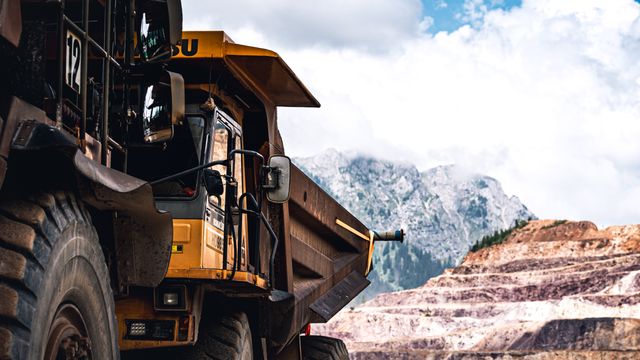
The basin encompasses more than 60,000 km², stretching from Collinsville in the north to Theodore in the south and hosting the vast majority of known mineable reserves of premium coking coal in Queensland. This is not a marketing statement but the geological reality created by conditions during the Permian age, producing high-quality and deep seams of bituminous coal. As the basin is wide geographically, different regions of it have different coal, different mining conditions and different infrastructure needs, which is why both surface and underground Bowen Basin coal mines operate at the same time here.
The fact that Australia is one of the world’s biggest suppliers of metallurgical coal means that this part of Central Queensland is tightly linked with the manufacturing of steel in Japan, South Korea, India and China. Changes in the worldwide demand for steel are no abstraction there; they translate into the schedule of mine operations, number of jobs and activities of contractors in the basin in just several months.
The Major Operations That Define the Region
The Goonyella Riverside, Broadmeadow, Peak Downs and Caval Ridge mines are some of the most prominent in the northern part of the basin, with different geological conditions and capacities of production. The Dawson, Curragh and Ensham mines are responsible for a significant portion of the total output in the basin as well. The Olive Downs mine, opened in 2023 and located about 75 minutes from Moranbah, has a production capacity of up to 15 million tonnes per year.
The Centurion mine, operating near Moranbah, has been revived after long dormancy and rehabilitation works and is now expected to produce 4.7 million tonnes of longwall annually, having a reserve of 140 million tonnes and a mine life longer than 25 years. This is not an investment in a dying industry; this is a commitment for decades.
Coking Coal Versus Thermal Coal: Why the Distinction Drives Everything
Bowen Basin produces both kinds, and the importance of each one in a commercial sense differs greatly. Coking coal, being the key ingredient in blast furnace steelmaking, fetches a lot more money on the international markets as there is currently no substitute for this type of coal in that process. That is what makes the coking coal deposits found in the basin extremely important.
Thermal coal used in the process of electricity generation is produced in the basin as well and exported to other countries or used in domestic generation facilities. The market conditions in which thermal coal producers find themselves are not the same as those of metallurgical coal producers due to the pressures created by international energy transition policies and continuing need for steel in the development of infrastructure, manufacturing and construction industries in Asia.
The Infrastructure Chain from Mine to Ship
Mining is only the first step in the process. Transporting it from the mines to international customers is a complex matter involving rail lines, Coal Handling Preparation Plant processing of the raw material and exporting ports with stacker reclaimers and ship loading facilities. Hay Point and Abbot Point are the main export terminals servicing the Bowen Basin; the total throughput of the terminal determines the amount of coal that the basin can export to overseas markets in any given period of time.
Any disruption on that line, be it mine, rail or port, will have an impact on the volume of exports and income generated from it. The reliability of the whole infrastructure is only as good as that of the weakest link of it, which is why maintenance of every single element of it is considered extremely important.
The People and Contractor Network Behind All This
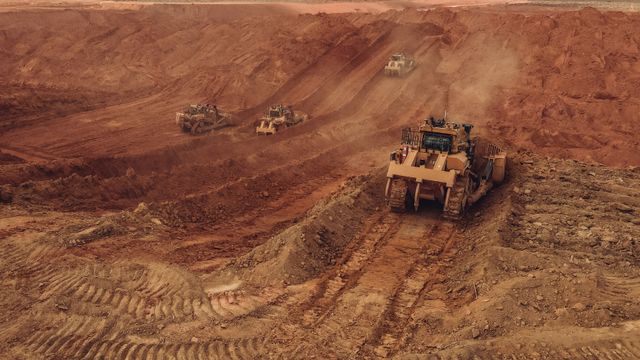
The coal industry in the Bowen Basin employs tens of thousands of people directly and indirectly in the state of Queensland. Mackay is the main hub of logistics and services for the basin; contractors, engineering companies and labour hire businesses are located there to service mining facilities located several hours’ drive from there. Roster-based employment with FIFO and DIDO work schedules makes it a highly complex logistical challenge to coordinate the basin’s workforce; companies managing that process well enjoy an operational advantage in terms of production reliability.