

Why Does Booking Keep Getting Delayed?
The appointment for the next dental check-up is something adults can easily remember, but few can name the date of their last visit. One of the reasons for procrastination is the fear of the unknown, as well as the cost and lack of time. The examination itself is usually shorter and less painful than people think.
Dental anxiety is very common, and it is one of the problems dentists have to solve every day. According to the Better Health Channel from Victoria, there are several methods that can help to cope with this fear, and, moreover, nowadays dental treatment is mostly painless. Patients can ask the dentist for a peaceful talk before the procedure or to come up with a certain gesture to stop it when it becomes too much. Another problem for patients to make a dentist Bundoora appointment is the cost. Medicare does not pay for general dental care services, and patients are not required to have a referral before making an appointment. The clinics themselves set the fees; therefore, the question regarding the examination cost before booking is fully justified.
What Happens During The Appointment?
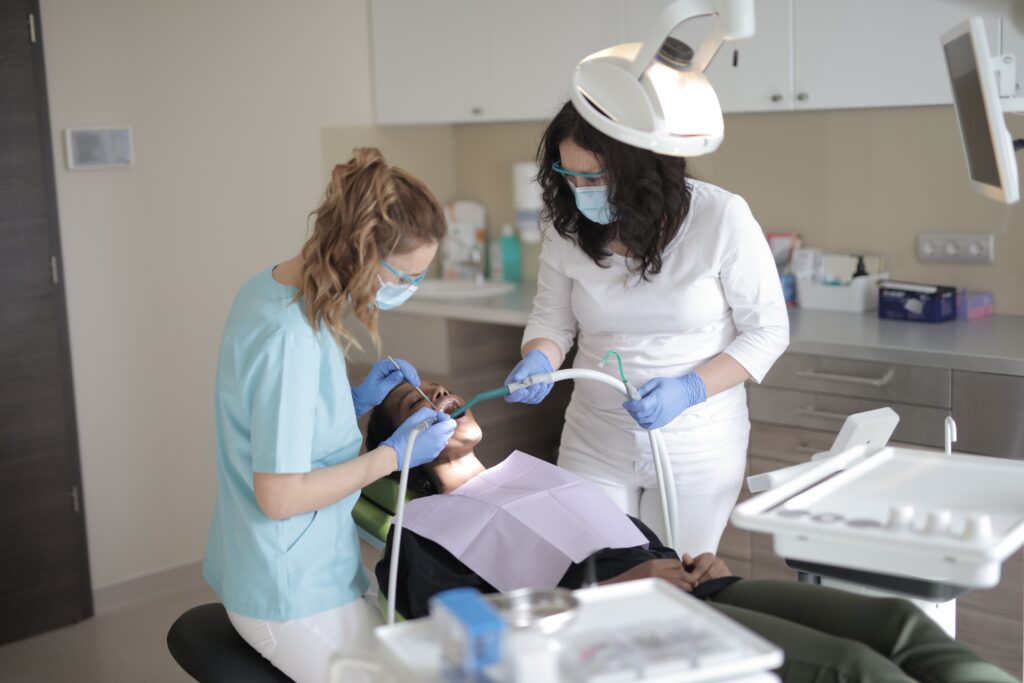
Usually, patients and dentists start talking about the medical history, current medications, and other changes since the last visit. In this case, patients should inform their dentist about painful areas and sensitive teeth as they will be taken into account during the examination.
Then, the dentist checks the teeth and the gums. The procedure involves the inspection of all the tooth surfaces, the condition of the gums (swelling, bleeding), and the condition of the fillings. If the problem can be determined only with the help of an X-ray, the dentist may suggest doing so. They determine the necessity of X-rays themselves.
Afterwards, the professional cleaning is conducted. According to the Australian Dental Association, plaque can turn into calculus, which cannot be removed without professional cleaning.
More Than A Check For Cavities
During the dental examination, a lot of things are checked aside from tooth decay. The gum condition is examined because gum disease (gingivitis) can be cured by professional cleaning and proper home treatment. However, periodontitis is incurable but can be stopped from worsening.
Also, the dentist inspects the tongue, cheeks, and jaws for unusual changes. The worn tooth surfaces can indicate grinding or acid damage.
How Often Should You Visit A Dentist?
The recommended interval isn’t always six months as many people might think. The Australian Dental Association suggests that most Aussies should get to the dentist at least once a year. Healthdirect advises going in every 6 to 12 months or as often as your dentist recommends.
The right schedule really depends on your individual dental health. If you’ve had a history of tooth decay, gum issues or dry mouth, you may need to get in more often. Someone with healthy teeth and a low risk of dental problems who takes good care of their teeth at home might be able to wait a bit longer between appointments. Your dentist can give you a better idea of a good schedule after they’ve seen you for the first time.
What A Dental Visit Can’t Replace?
Brushing your teeth twice a day for 2 minutes with a pea-sized amount of fluoride toothpaste still matters more than any one-off professional clean. Healthdirect advises that when you brush your teeth you should spit out the toothpaste without rinsing so the fluoride can stay on your teeth and keep working. Flossing once a day helps keep the spaces between your teeth clean. You should probably change your toothbrush head every 3 months.
A professional clean gives your teeth a bit of a fresh start, but it’s your daily habits that will determine how long that result lasts.
Maximising The Benefits Of The Dental Appointment
Just a few things can help the patient take full advantage of their regular dental appointment:
- Bring along a list of their medication and discuss any health issues since their previous dental appointment.
- Discuss any issues with bleeding gums, sensitivity, and clicking of the jaw prior to the cleaning.
- Inquire what was seen in the mouth and which issues require immediate treatment.
- Ask for a treatment plan in writing that includes the price of the treatment.
The patient should not hesitate and should visit the dentist right away if they experience pain or swelling in the mouth. Healthdirect recommends dental care if there are any symptoms like toothache, swelling of the face, sensitivity while eating and drinking, or injuries to their teeth. Otherwise, making an appointment for the next dental check-up will be helpful.