
There’s a moment a lot of people have before they look into cosmetic dental work, and it usually happens in a photo rather than a mirror. You’re smiling naturally, not thinking about your teeth at all, then you see the picture and notice the same thing you’ve noticed before: a chip, a gap, uneven edges, discolouration, or a shape that’s always bothered you more than you admit.
That’s often when people start researching options like dental veneers in Brunswick, not because they’re trying to create some impossibly perfect celebrity smile, but because they want their teeth to feel more balanced, brighter, or more like the version of themselves they have in mind. Veneers can be a great option for the right person, but they’re also worth understanding properly before you jump in.
Veneers are about proportion, not just whiteness
When people first think about veneers, they often imagine a very white, very uniform smile. That look exists, of course, but it’s not the only approach, and for many people it’s not even the best one. A natural-looking result usually comes down to proportion, shape, colour, and how the teeth fit the rest of your face.
The most flattering veneers tend to improve what’s already there rather than overwhelm it. That might mean softening uneven edges, closing small gaps, evening out tooth size, or choosing a shade that looks fresh without seeming artificial. A good cosmetic dentist should talk through these details with you, because the aim is usually confidence, not a smile that looks like it belongs to someone else.
Not every concern needs the same solution
Veneers can help with a range of cosmetic issues, but they’re not automatically the answer to every dental concern. If teeth are crowded, bite issues are involved, gums need attention, or the underlying tooth structure isn’t suitable, other treatments may need to be considered first.
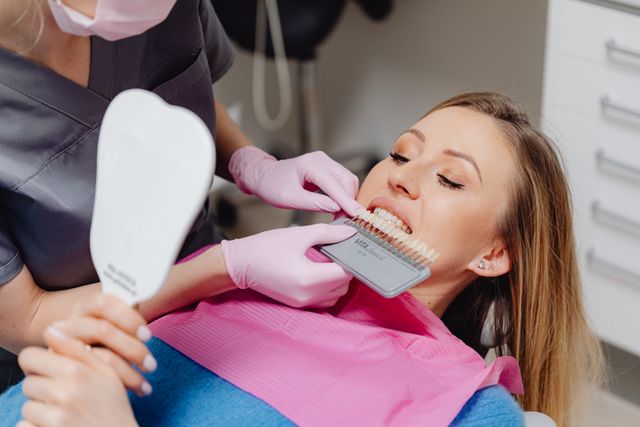
That’s why the consultation stage matters. It gives the dentist a chance to look at your teeth properly, discuss what you want to change, and explain what’s realistic. Sometimes veneers are a strong option, while other times whitening, bonding, orthodontics, or a combination of treatments may be more appropriate.
Think about the long-term commitment
Veneers aren’t just a quick makeover; they’re a dental treatment that needs to be cared for over time. Depending on the type used, a small amount of tooth preparation may be required, and the veneers themselves will need good oral hygiene, regular check-ups, and sensible habits to keep them looking their best.
That doesn’t mean they’re high-maintenance in a dramatic way, but it does mean they should be treated as a considered decision. If you grind your teeth, bite your nails, chew ice, or use your teeth to open things, those habits can affect how long cosmetic dental work lasts. Your dentist may recommend a night guard or other protective steps if needed.
The best results still feel like you
Changing your smile can have a surprisingly personal impact. It can affect how you feel in photos, how freely you smile in conversation, and how much attention you give to something that used to bother you quietly in the background.
The goal shouldn’t be perfection for its own sake. It should be a smile that feels comfortable, natural, and yours. When veneers are planned carefully and tailored to the person wearing them, they can make a noticeable difference without making the smile feel overdone.